


HVAC Upgrades
Furnace Fan Works But No Heat? Here’s What It Means (And What to Do)
If your furnace fan is running but no heat is coming from the vents, the thermostat may be set incorrectly, the air filter may be clogged, or the furnace may have an ignition, gas-supply, flame-sensor, limit-switch, or control problem.
Start by checking the thermostat and filter. If the furnace does not begin producing heat, repeatedly shuts down, smells unusual, or activates a carbon monoxide alarm, stop troubleshooting and call a qualified heating technician.
Why Is the Furnace Fan Running Without Heat?
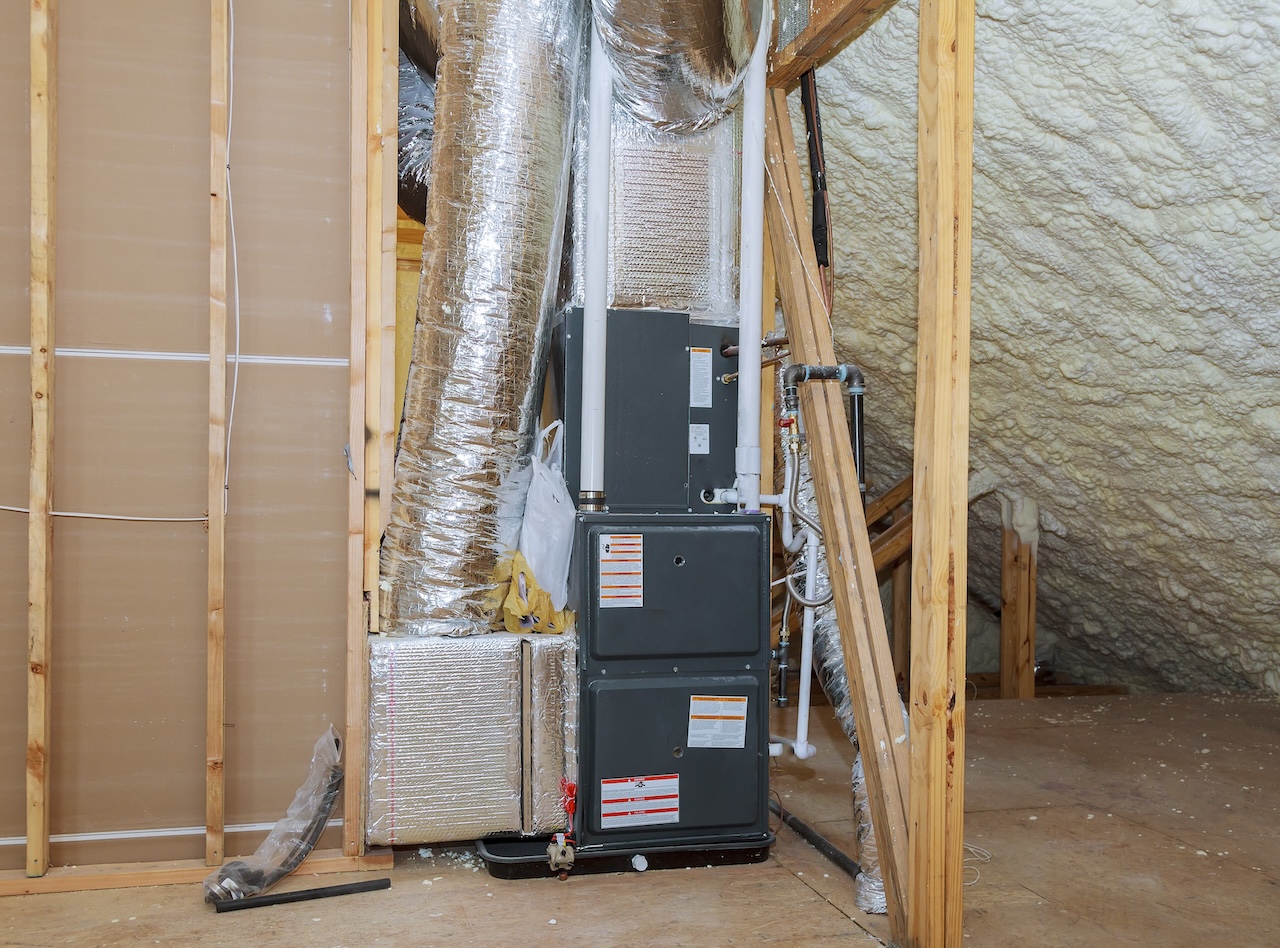
Your furnace's blower fan and heating components perform different jobs. The burners or heating elements produce heat, while the blower moves air through the ductwork.
That means the fan can continue operating even when the furnace is not successfully producing heat.
On a cold Omaha-area morning, you may notice that air is coming from the vents but the temperature inside the house is not rising. In some cases, the fan is simply circulating unheated air because of a thermostat setting. In others, it is running as part of a safety response after the furnace overheats or fails to ignite.
1. The Thermostat Fan Is Set to "ON"
Check the thermostat before assuming the furnace has failed.
The thermostat should generally be set to:
- System mode: HEAT
- Fan mode: AUTO
- Temperature: Several degrees above the current indoor temperature
When the fan is set to "ON," it runs continuously, including between heating cycles. During those periods, the air coming from the vents may feel cool even though the furnace is working normally.
Switch the fan setting to "AUTO." This tells the blower to run primarily when the furnace is actively heating.
If the thermostat is already set correctly and the house is not getting warmer, continue to the next checks.
2. The Air Filter Is Clogged
A dirty filter restricts the airflow moving through the furnace. As heat builds up inside the system, a safety control called the high-limit switch may shut off the burners to prevent overheating.
The blower may continue running to cool the furnace. This creates the exact symptom many homeowners experience: the fan works, but there is no heat.
Turn the furnace off before checking the filter. Replace it if it is visibly dirty, heavily covered with dust, or overdue according to the manufacturer's schedule.
Make sure:
- The replacement is the correct size
- The airflow arrow points toward the furnace or air handler
- The filter fits properly without gaps
- The return grille and filter cabinet are securely closed
Do not run the furnace without a filter.
If replacing the filter restores heat, monitor the system. A furnace that continues shutting off on the high-limit switch may have another airflow problem, such as a dirty blower, blocked return, failing motor, closed vents, or damaged ductwork.
3. The Ignitor or Pilot Light Is Not Working
The furnace cannot produce heat if the fuel does not ignite. Older gas furnaces may use a standing pilot light. Most newer systems use an electronic ignitor. If the pilot goes out or the ignitor fails, the blower may still operate even though the burners never light.
Possible signs of an ignition problem include:
- Clicking without ignition
- Several unsuccessful startup attempts
- A furnace that starts and then immediately stops
- A diagnostic light flashing on the control board
- Cool air coming from the vents
- No visible burner flame through the observation window
Do not touch the ignitor. It is fragile and may be damaged by skin oils or improper handling. Do not repeatedly attempt to relight a pilot or reset the furnace if you are unsure of the manufacturer's procedure.
4. The Flame Sensor Is Dirty or Failing
The flame sensor confirms that the gas burners have ignited properly. If it does not detect a stable flame, the furnace shuts off the gas supply as a safety measure.
A furnace with a dirty or failing flame sensor may:
- Begin its startup sequence
- Ignite the burners
- Run for only a few seconds
- Shut the burners off
- Leave the fan running
- Try the sequence again later
Cleaning or replacing a flame sensor requires accessing the burner compartment. This should generally be handled by a qualified technician.
5. The Furnace Is Overheating
A furnace may overheat because of:
- A clogged filter
- Closed or blocked supply vents
- Blocked return grilles
- A dirty blower assembly
- An undersized duct system
- A failing blower motor
- A dirty heat exchanger
- An improperly sized furnace
When the furnace overheats, the limit switch turns off the burners. The fan continues moving air to reduce the internal temperature.
Repeated overheating should not be ignored. It can damage furnace components and may indicate a serious airflow or equipment problem.
6. A Safety Switch Has Stopped the Heating Cycle
Modern furnaces use multiple safety controls. Depending on the equipment, these may include high-limit switches, pressure switches, rollout switches, door switches, condensate overflow switches, and flame-detection controls.
If one of these controls detects an unsafe condition, the system may stop the burners while allowing the blower to continue.
Never bypass, tape down, or disconnect a furnace safety switch. The switch may be responding to an airflow restriction, venting problem, ignition issue, flame rollout, or another hazardous condition.
7. The Intake or Exhaust Vent Is Blocked
High-efficiency furnaces often use PVC pipes to bring in combustion air and exhaust combustion gases.
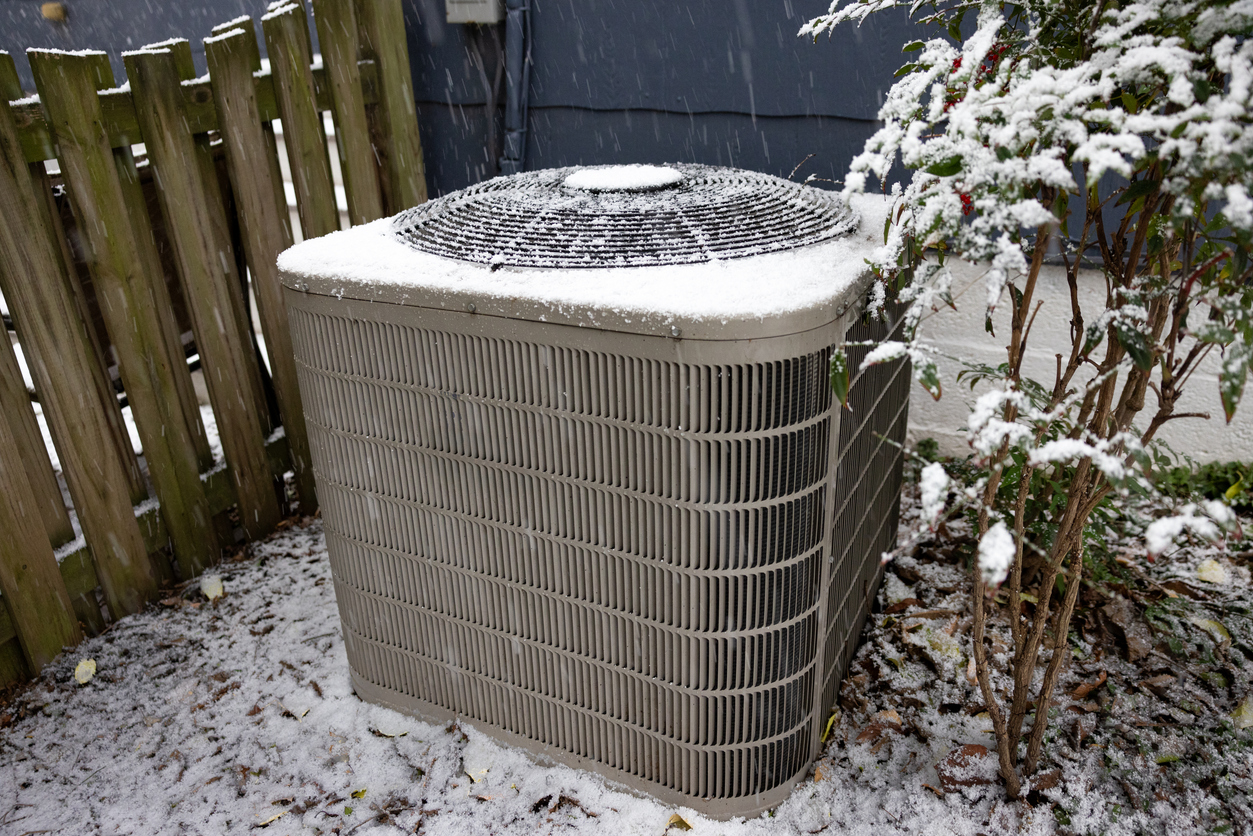
During Nebraska and Southwest Iowa winters, snow, ice, frost, leaves, or debris can obstruct an exterior vent termination. A blockage may prevent the pressure switch from confirming safe airflow, which stops the furnace from completing its ignition cycle.
From a safe location, visually check the exterior furnace pipes for obvious snow or debris. Do not insert tools into the pipes or climb onto an icy surface. If the blockage cannot be safely removed from ground level, call a professional.
8. The Condensate Drain Is Clogged
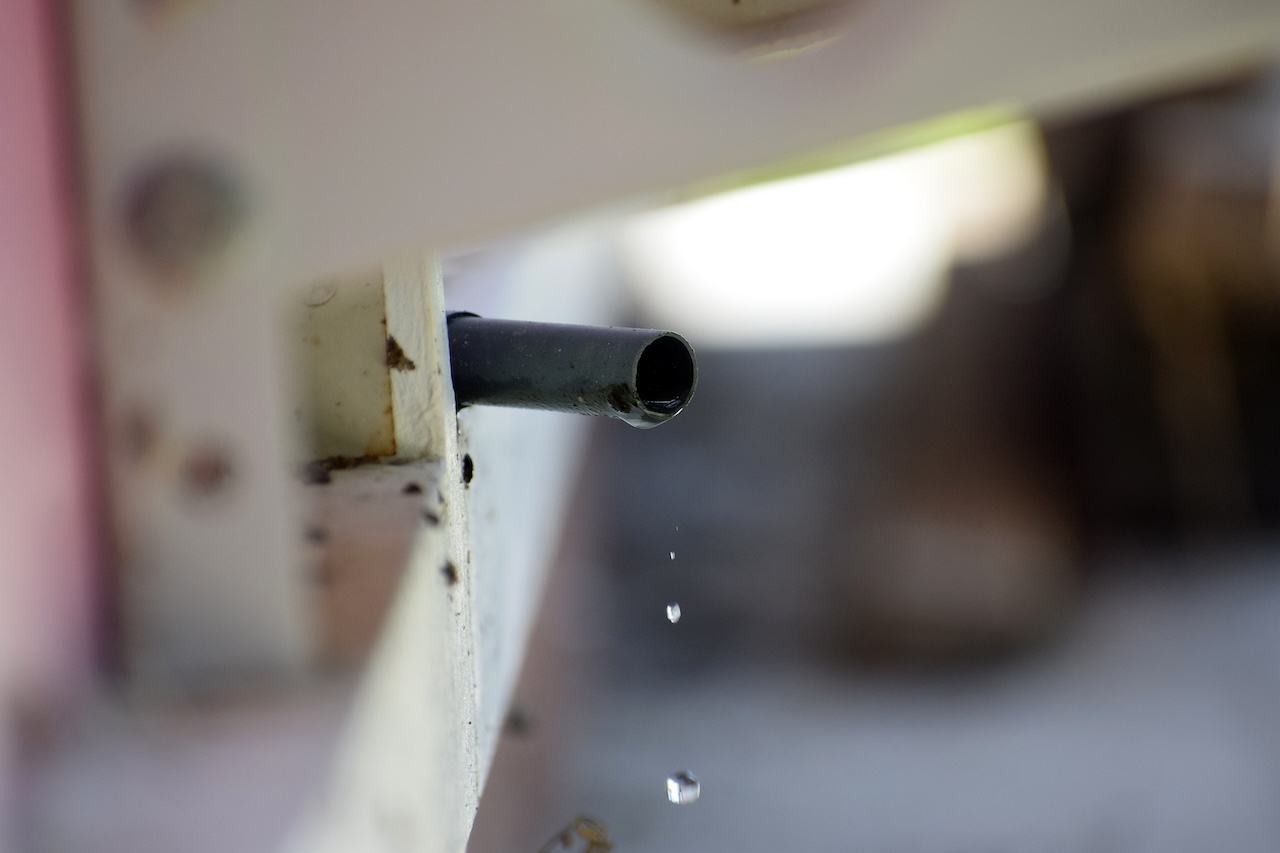
High-efficiency condensing furnaces produce water during normal operation. That water must drain away through the condensate line.
If the drain, trap, or condensate pump becomes clogged, a safety switch may stop the furnace from heating. Depending on the system, the fan or other components may continue running.
Signs of a condensate problem include:
- Water near the furnace
- A full condensate pump reservoir
- Gurgling sounds
- A furnace that begins its cycle but does not ignite
- A diagnostic code related to pressure or drainage
Standing water around electrical or heating equipment should be inspected promptly.
9. The Furnace Is Not Receiving Gas
A gas furnace cannot produce heat without a dependable fuel supply. A closed gas valve, utility interruption, pressure problem, or faulty gas valve inside the furnace can prevent ignition.
Do not disassemble gas components or attempt to repair a gas valve yourself.
If you smell gas:
- Do not operate electrical switches or appliances.
- Do not light a match or flame.
- Leave the building.
- Call the gas utility or emergency services from a safe location.
Do not return until the property has been declared safe.
10. The Furnace Control Board or Thermostat Is Failing
The thermostat and control board coordinate the heating sequence. A wiring problem, faulty relay, damaged thermostat, or failing control board can allow the fan to run without correctly activating the burners.
Control problems may produce inconsistent symptoms, including intermittent heat, delayed startup, a fan that will not turn off, heating that works only after a reset, unexplained diagnostic codes, or frequent short cycling.
A technician can test the thermostat signal, low-voltage wiring, safety circuit, and furnace controls to identify where the sequence is failing.
Safe Checks You Can Perform
- Confirm that the thermostat is set to HEAT.
- Change the fan setting from ON to AUTO.
- Raise the temperature several degrees above the current room temperature.
- Replace a visibly dirty filter.
- Make sure return grilles are not blocked by furniture or rugs.
- Open supply vents throughout the home.
- Check whether the furnace service switch was accidentally turned off.
- Look for a diagnostic code through the furnace's observation window.
- Visually inspect exterior intake and exhaust pipes for snow or debris.
- Check whether a carbon monoxide alarm is sounding.
Do not remove the burner compartment, touch the ignitor, bypass a safety control, adjust gas components, or repeatedly reset a furnace that will not stay on.
When the Problem Is an Emergency
Leave the home and request emergency assistance if:
- A carbon monoxide alarm sounds
- You smell gas
- You see smoke, sparks, or flames
- The furnace makes a loud booming sound during ignition
- You see soot around the furnace or vents
- Anyone experiences headache, dizziness, nausea, confusion, or unusual fatigue that could indicate carbon monoxide exposure
Carbon monoxide is colorless and odorless. The U.S. Consumer Product Safety Commission's carbon monoxide safety guidance identifies malfunctioning fuel-burning furnaces as a possible source.
When to Schedule Furnace Repair
Call a heating professional if:
- The thermostat and filter appear normal
- The burners do not ignite
- The burners repeatedly turn off after a few seconds
- The fan runs continuously without heat
- The furnace displays an error code
- The system repeatedly overheats
- The exterior vent is clear but the pressure-switch problem continues
- Water is collecting around the furnace
- The system makes unusual noises
- The furnace requires repeated resets
- The home cannot reach the thermostat setting
If the symptom is difficult to distinguish, the related guide on why a furnace blows cold air explains additional thermostat, ductwork, ignition, and system-age issues.
If the furnace is also banging, rattling, screeching, or buzzing, review what sudden furnace noises may mean.
Does a Furnace That Runs Without Heat Need Replacement?
Not necessarily. A furnace fan running without heat can be caused by a relatively limited repair, such as replacing a filter, correcting thermostat settings, replacing an ignitor, servicing a flame sensor, clearing a condensate drain, or repairing a control or pressure switch.
Replacement may become more practical when the furnace is older, has a serious heat-exchanger problem, requires frequent repairs, or can no longer heat the home efficiently.
Age alone should not determine the recommendation. The technician should consider the exact cause of the failure, repair cost, equipment condition, recent repair history, safety, energy performance, availability of replacement parts, and expected remaining service life.
How Can You Prevent This Problem?
Routine furnace maintenance can identify clogged filters, ignition problems, dirty burners, airflow restrictions, venting issues, electrical faults, and worn safety controls before the system stops heating.
Homeowners should:
- Check the filter monthly during heavy-use seasons
- Keep return grilles and supply vents unobstructed
- Test the furnace before the first severe cold spell
- Keep exterior vent terminations clear
- Maintain working carbon monoxide alarms
- Schedule professional heating maintenance regularly
Learn more about how preventive HVAC maintenance protects system performance.
Frequently Asked Questions
Why does my furnace fan run when the heat is off?
The thermostat fan may be set to "ON," or the furnace may be cooling itself after an overheating or failed ignition event. A stuck relay or control-board problem can also keep the blower running.
Can a dirty filter cause the furnace to stop heating?
Yes. A clogged filter can restrict airflow and cause the furnace to overheat. The high-limit switch may shut off the burners while the fan continues running.
Why does my furnace ignite and then shut off?
A dirty or failing flame sensor is a common possibility. The system may also have an airflow, venting, pressure-switch, gas-supply, or control problem.
Should I reset my furnace?
One reset may be appropriate if the manufacturer's instructions permit it. Do not repeatedly reset a furnace that continues to fail. Repeated resets can hide a safety problem without correcting its cause.
Why is my furnace blowing cold air even though the thermostat is set to heat?
The fan may be running between heating cycles, the filter may be clogged, or the furnace may not be igniting. Thermostat, flame-sensor, limit-switch, ductwork, and control problems can produce similar symptoms.
Furnace Repair in Greater Omaha
Controlled Comfort provides furnace repair and heating services in Greater Omaha, including Omaha, La Vista, Bellevue, Papillion, Gretna, Council Bluffs, and surrounding Nebraska and Southwest Iowa communities.
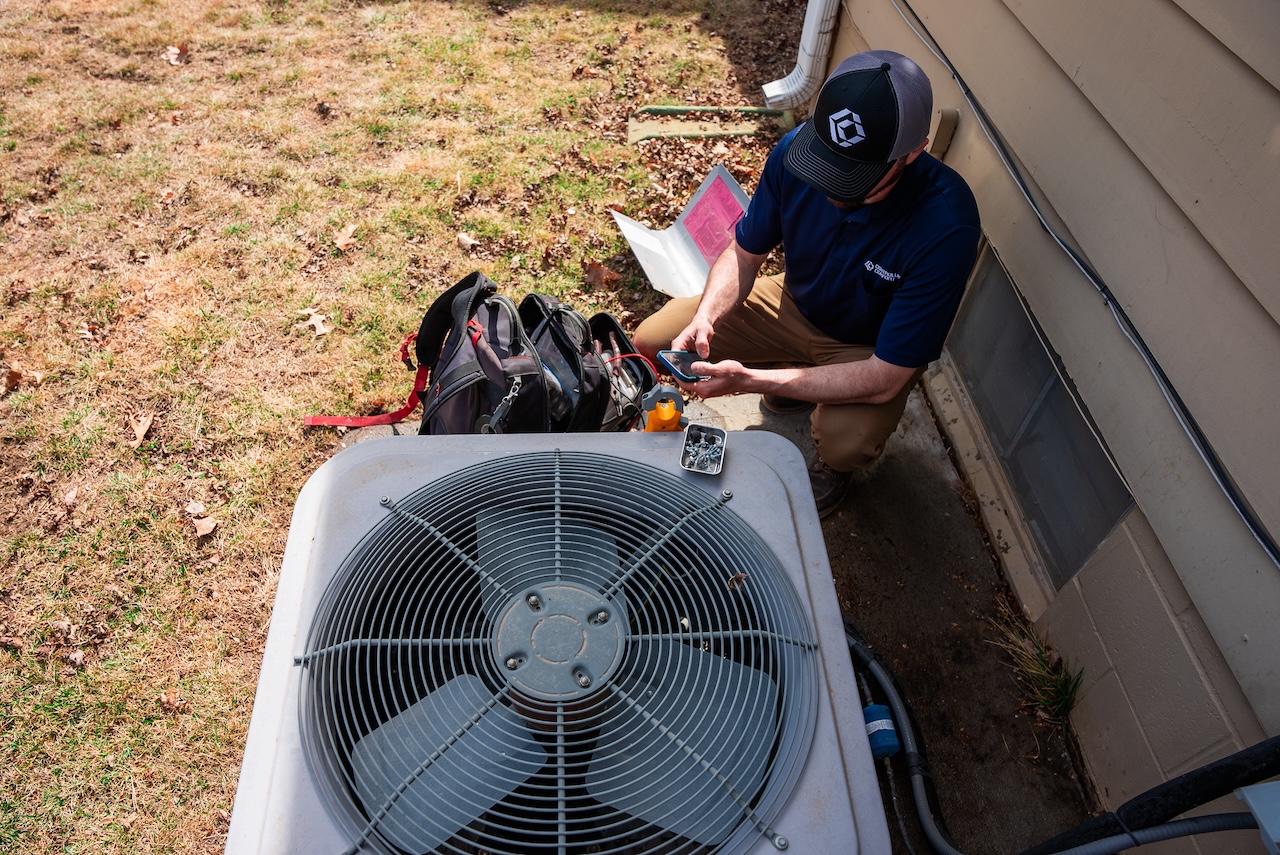
Our technicians can test the complete heating sequence, identify why the blower is operating without heat, and explain whether the system needs maintenance, repair, or replacement.
Contact Controlled Comfort to schedule furnace service.


.jpeg)




.jpeg)

Get in Touch
Success
Thank you for contacting us! We'll get back to you soon.
