


HVAC Upgrades
Geothermal Heat Pump: How Does It Work?
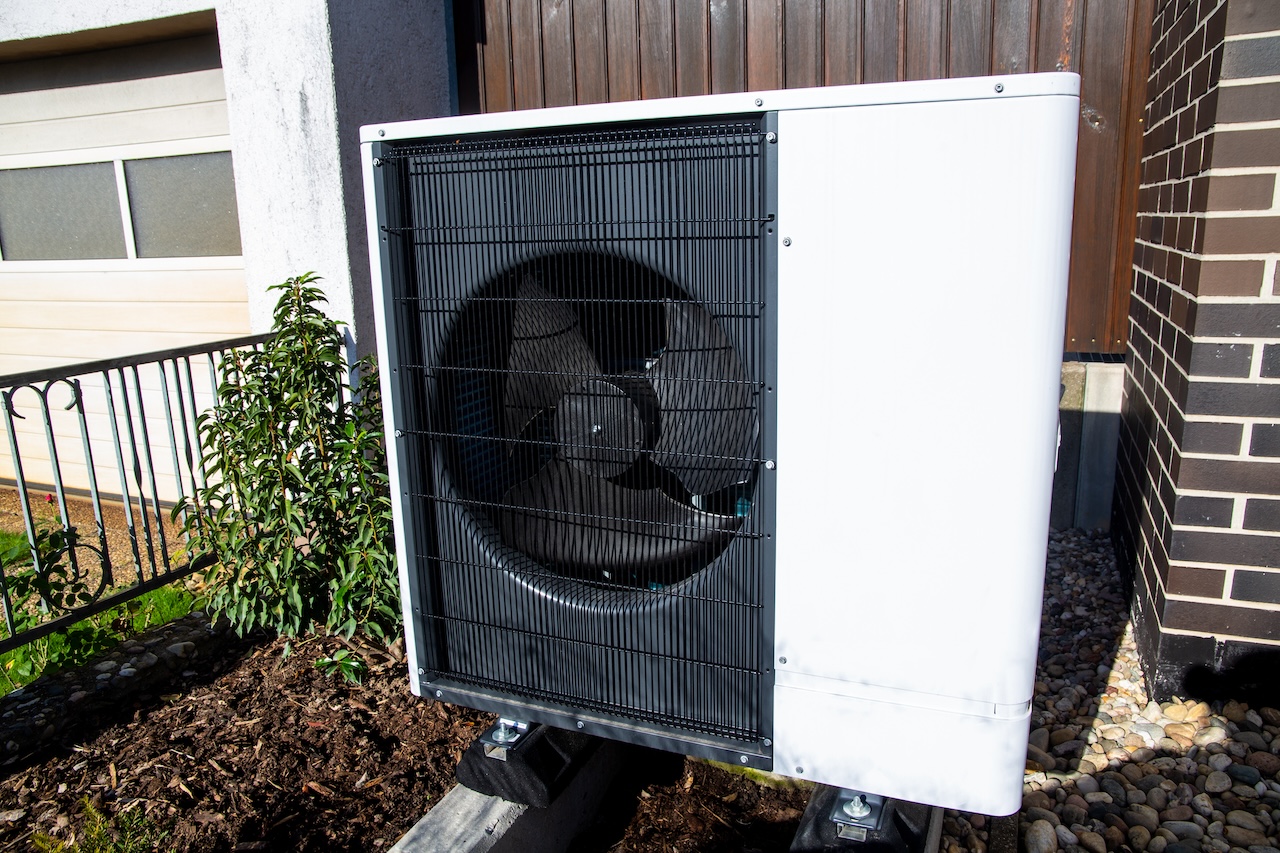
A geothermal heat pump heats and cools your home by transferring heat between the building and the ground. In winter, fluid circulating through underground pipes absorbs heat from the earth and carries it into the home. In summer, the process reverses, moving heat out of the home and into the ground.
Because underground temperatures are more stable than outdoor air temperatures, geothermal systems can provide efficient heating and cooling throughout Nebraska's changing seasons.
What Is a Geothermal Heat Pump?
A geothermal heat pump, also called a ground-source heat pump, is an HVAC system that uses the ground as a source of heat in winter and a place to release heat in summer.
Unlike a furnace, a geothermal system does not create heat by burning fuel. It transfers existing heat using a heat pump, refrigerant, a heat exchanger, and a network of underground pipes called a ground loop.
It is also different from the deep geothermal systems used to generate electricity. A residential geothermal HVAC system relies on relatively shallow underground temperatures to heat and cool a home.
The U.S. Department of Energy's explanation of geothermal heat pumps describes the ground loop as an underground heat collector that absorbs or deposits heat depending on the season.
How Does a Geothermal Heat Pump Work?
A geothermal system has three primary jobs:
- Exchange heat with the ground.
- Increase or decrease the temperature using the heat pump.
- Distribute conditioned air or water throughout the home.
1. The Underground Ground Loop
A series of durable pipes is installed underground near the home. Most residential systems use a closed loop filled with a heat-transfer fluid.
The loop can be installed in different configurations depending on the property:
- Horizontal loops are placed in trenches and generally require more available yard space.
- Vertical loops are installed in deeper boreholes and require less surface area.
- Pond or lake loops may be possible when a suitable body of water is available.
- Open-loop systems use groundwater and are only appropriate where site conditions and local requirements allow them.
Property size, soil conditions, accessibility, landscaping, underground utilities, and drilling requirements can all affect the recommended loop design.
2. The Indoor Geothermal Heat Pump
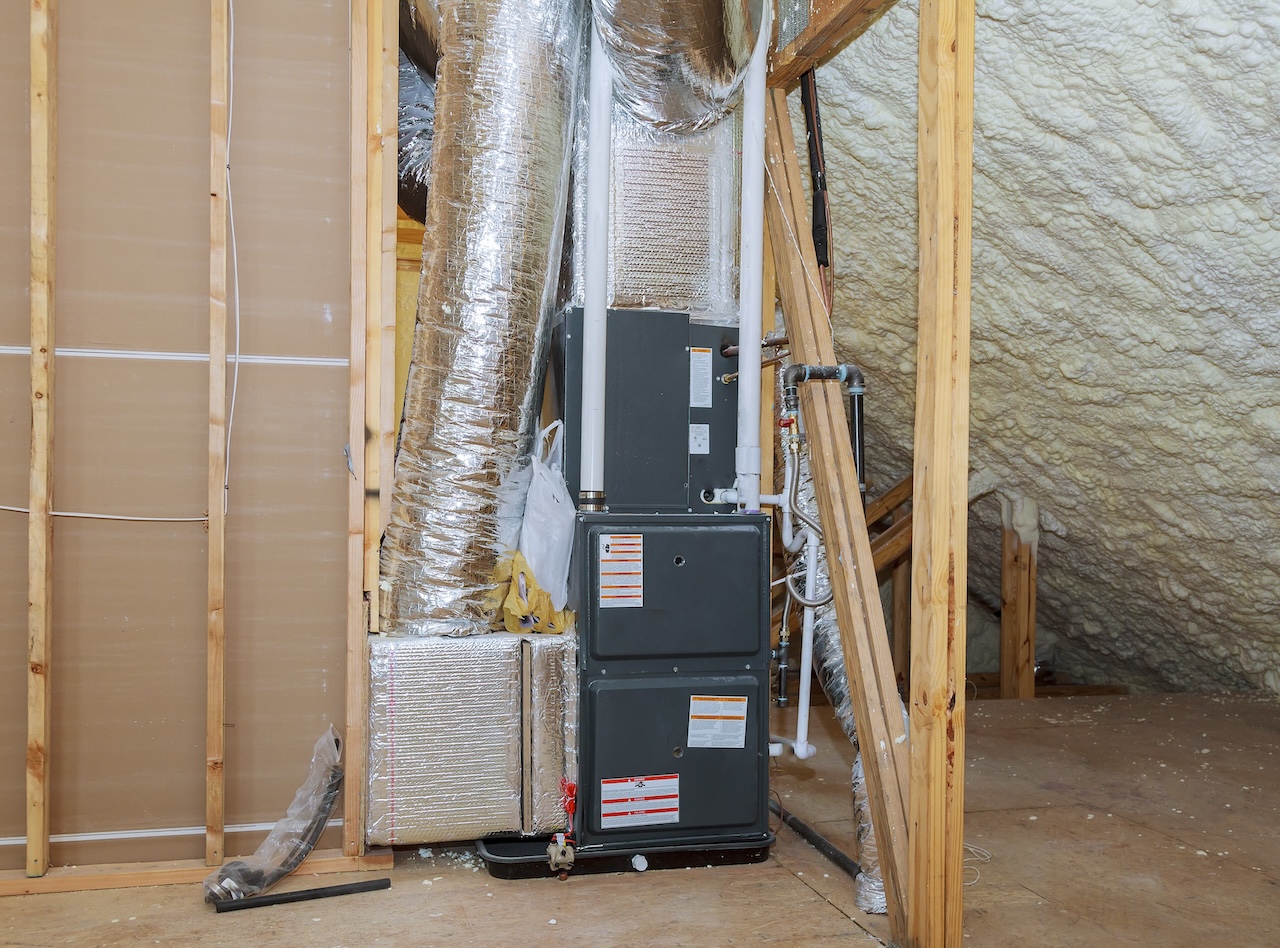
The indoor heat pump transfers heat between the ground-loop fluid and the home's heating and cooling system.
A compressor and refrigerant circuit increase or decrease the usable temperature, much like the technology found in a conventional air conditioner or air-source heat pump. The important difference is that a geothermal system exchanges heat with the ground instead of the outdoor air.
3. The Distribution System
After the heat pump conditions the air or water, the system distributes it through the home. Many geothermal installations use existing or modified ductwork. Other systems may work with hydronic or radiant distribution. The best approach depends on the home, existing HVAC equipment, and the specific geothermal unit.
Proper duct design still matters. An efficient geothermal unit cannot overcome severely undersized, damaged, or leaking ductwork.
How Geothermal Heating Works in Winter
During the winter, the ground below the frost line is generally warmer and more stable than the outdoor air.
The heating cycle works as follows:
- Fluid circulates through the underground loop.
- The fluid absorbs heat stored in the ground.
- The warmed fluid travels to the indoor heat pump.
- The heat pump raises the temperature to a useful level.
- The blower distributes warm air through the home.
The geothermal system is not pulling hot air from the soil. It is collecting low-temperature heat and concentrating it through the refrigeration cycle.
This can be beneficial during a Greater Omaha winter because the system does not have to extract heat directly from frigid outdoor air. However, the equipment must still be properly sized and installed for the home's heating requirements.
How Geothermal Cooling Works in Summer
During the cooling season, the geothermal process reverses.
- The system absorbs heat from the indoor air.
- The heat pump transfers that heat to the ground-loop fluid.
- The fluid carries the heat underground.
- The cooler conditioned air is distributed through the home.
In cooling mode, the ground functions as a relatively stable place to release heat. The process is similar to conventional air conditioning, but the heat is transferred underground instead of being released through a traditional outdoor condenser.
Is Geothermal a Good Choice for Omaha-Area Homes?
Geothermal heating and cooling can be a strong option for certain properties in Omaha, La Vista, Bellevue, Papillion, Gretna, Council Bluffs, and surrounding communities.
Nebraska and Southwest Iowa experience both summer heat and freezing winter weather. A properly designed geothermal system can provide year-round heating and cooling without relying as heavily on changing outdoor air temperatures.
However, geothermal is not automatically the right choice for every home. A professional evaluation should consider:
- The home's heating and cooling load
- Available land and drilling access
- Soil and ground conditions
- Existing ductwork
- Insulation and air leakage
- Electrical capacity
- Current energy costs
- Planned length of homeownership
- Installation budget
- Long-term efficiency goals
If a system is improperly sized or installed, it may struggle to maintain comfort regardless of the equipment's efficiency. Homeowners considering new equipment should also review these common residential HVAC installation mistakes.
Benefits of Geothermal Heating and Cooling
Year-Round Comfort
One geothermal system can provide both heating and cooling. This reduces the need for separate heating and air-conditioning equipment in many applications.
Energy Efficiency
Geothermal systems move heat rather than producing all their heat through combustion or electric resistance. According to ENERGY STAR's geothermal heat pump guidance, certified geothermal equipment can use substantially less energy than standard heating and cooling models. Actual savings depend on the home, existing equipment, installation quality, utility rates, and usage.
Consistent Performance
Underground temperatures change less dramatically than outdoor air temperatures. This provides a more stable environment for heat exchange throughout the year.
Quiet Operation
Because most major mechanical components are located indoors and there is no conventional outdoor condenser, geothermal systems can operate more quietly outside the home.
Long-Term Equipment Value
Properly installed underground loops are designed for decades of service. Indoor components still require maintenance and will eventually need repair or replacement, but the loop can remain useful through future equipment upgrades.
No On-Site Combustion
A geothermal heat pump does not burn natural gas, propane, or heating oil inside the home. This eliminates combustion-related emissions from the geothermal heating process itself.
Potential Disadvantages of a Geothermal System
Higher Initial Installation Cost
Installing the ground loop requires excavation, trenching, or drilling. This usually makes geothermal installation more expensive upfront than replacing a conventional furnace or air conditioner.
Property Requirements
The available yard space, soil, landscaping, and equipment access can affect whether a horizontal or vertical loop is practical.
Installation Complexity
A successful system requires accurate load calculations, ground-loop design, correct equipment selection, proper airflow, and careful commissioning. Geothermal installation is not a one-size-fits-all project.
Longer Payback Period
Lower operating costs may help offset the initial investment, but the payback period varies significantly. Homeowners should be cautious of companies promising a guaranteed savings percentage without inspecting the property and reviewing current energy use.
How Long Does Geothermal Installation Take?
Installation time depends on the ground-loop design, drilling or excavation requirements, property access, existing ductwork, permitting, and the indoor equipment being installed.
A typical project includes:
- An evaluation of the home and property
- Heating and cooling load calculations
- Ground-loop design
- Excavation or drilling
- Installation of the indoor heat pump
- Ductwork or distribution modifications
- Electrical and control connections
- Loop filling and pressure testing
- Complete system testing and commissioning
Your contractor should explain the installation process, expected disruption, restoration responsibilities, and project timeline before work begins.
Does a Geothermal Heat Pump Need Maintenance?
Yes. Geothermal systems generally have fewer exposed outdoor components, but they still require routine maintenance.
Maintenance may include:
- Replacing or cleaning the air filter
- Inspecting the blower and indoor coil
- Checking electrical connections
- Testing the thermostat and controls
- Inspecting the condensate drain
- Checking loop pressure and fluid condition
- Testing pumps and flow rates
- Inspecting ductwork and airflow
- Verifying heating and cooling performance
The underground loop is designed to operate with minimal homeowner attention, but the indoor equipment should be inspected regularly.
Homeowners can use this winter heat pump maintenance checklist to understand basic seasonal care. Professional HVAC preventive maintenance can identify performance changes before they become major repairs.
Signs a Geothermal System Needs Repair
Schedule an inspection if you notice:
- Unexplained increases in energy use
- Uneven heating or cooling
- Reduced airflow
- Unusual noises from the indoor unit
- Frequent cycling
- Trouble switching between heating and cooling
- Water near the indoor equipment
- Loop pressure or flow warnings
- A thermostat that does not reach the selected temperature
- Auxiliary heat operating more frequently than expected
A geothermal system is durable, but it is not maintenance-free. Prompt diagnosis can help prevent a small control, pump, airflow, or refrigerant issue from affecting the entire system.
Frequently Asked Questions
Does a geothermal heat pump work during a Nebraska winter?
Yes. A properly designed geothermal heat pump can provide heating during cold Nebraska weather because it exchanges heat with the ground instead of relying solely on outdoor air. Correct system sizing and installation are essential.
Does geothermal provide both heating and air conditioning?
Yes. A geothermal heat pump can heat the home in winter and reverse its operation to cool the home in summer.
Does a geothermal heat pump use electricity?
Yes. Electricity powers the compressor, pumps, blower, and controls. The system uses electricity to move heat rather than generating all its heat through electric resistance.
Is geothermal the same as an air-source heat pump?
No. An air-source heat pump exchanges heat with the outdoor air. A geothermal heat pump exchanges heat with the ground or, in some applications, groundwater.
Can geothermal work with existing ductwork?
It may be possible, but the ductwork must be evaluated for condition, sizing, leakage, and airflow. Modifications may be necessary for the new system to perform properly.
Is geothermal worth the cost?
It depends on installation cost, current equipment, energy prices, property conditions, usage, and how long you expect to remain in the home. A site-specific evaluation is more useful than a general savings estimate.
Geothermal Heat Pump Services in Greater Omaha
Controlled Comfort provides geothermal heat pump installation, repair, and maintenance throughout Omaha, La Vista, Bellevue, Papillion, Gretna, Council Bluffs, and surrounding Nebraska and Southwest Iowa communities.
Our team can evaluate your property, current HVAC equipment, energy goals, and long-term plans to determine whether geothermal is a practical option for your home. Contact Controlled Comfort to schedule a geothermal consultation or request service for an existing system.
Contact Controlled Comfort to schedule a geothermal consultation or request service for an existing system.



.jpeg)




.jpeg)

Get in Touch
Success
Thank you for contacting us! We'll get back to you soon.
